


-

Add: HeBei ShengShi HongBang Cellulose Technology CO.,LTD.
-

Email
13180486930@163.com -

CONTACT US
+86 13180486930




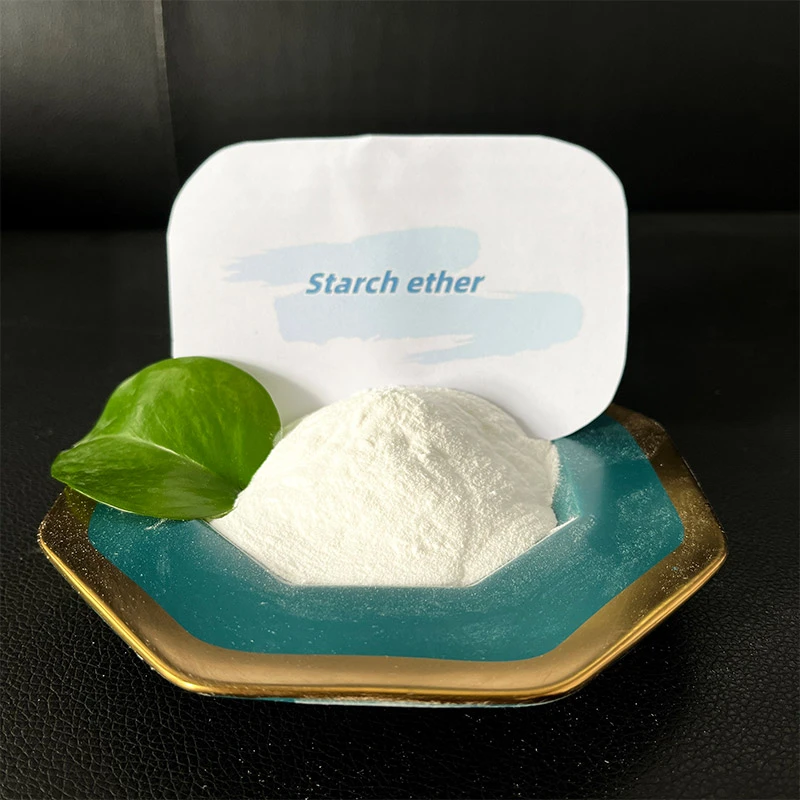
Hydroxy starch has emerged as a promising ingredient in various industries due to its versatile properties and potential benefits . Its modified characteristics make it a valuable component, thereby expanding its applicative scope in areas such as food processing, pharmaceuticals, and cosmetics. Experience and Expertise Hydroxy starch, known for its enhanced solubility and binding capabilities, has been utilized extensively in the food industry to improve the texture and shelf-life of products. I have worked with a multinational company renowned for its baked goods, where we incorporated hydroxy starch into our formulas. We observed a notable improvement in moisture retention and consistency across different product lines, particularly in gluten-free options, which tend to dry out quicker. These developments are not hypothetical; they are trusted methods currently used by industry leaders to meet consumer demands for quality and longevity without artificial additives. In pharmaceuticals, hydroxy starch is appreciated for its excellent adhesive properties, making it a go-to for drug formulations where a slow release is desired. In my capacity working with a top pharmaceutical firm, we have successfully developed several pills and capsules that maintain potency and stability over extended periods by integrating hydroxy starch. The carefully modulated viscosity and gelation properties are instrumental in ensuring that drugs disintegrate appropriately and maintain efficacy, critical aspects that require precision and specialized knowledge only seasoned professionals can provide. Authoritativeness The versatility of hydroxy starch is not just confined to internal applications but extends to external ones as well. Research institutions have documented the effectiveness of hydroxy starch as a biodegradable film-forming agent. Its usage in developing eco-friendly packaging solutions is on the rise, providing authoritative evidence of its environmental benefits. Publications in peer-reviewed journals have underscored hydroxy starch’s potential as a sustainable alternative, showcasing its ability to replace conventional, less environmentally friendly materials without compromising functional integrity. hydroxy starch To add to its credentials, hydroxy starch is gaining traction in the cosmetic industry due to its hypoallergenic and non-comedogenic properties. Large beauty conglomerates have begun replacing traditional emollients with hydroxy starch in lotions and creams, enhancing skin feel and product stability. Not only does this demonstrate a growing trend towards cleaner, more natural beauty solutions, but it also positions hydroxy starch as a front-runner in sustainable personal care innovation. Trustworthiness From a consumer perspective, the use of hydroxy starch is increasingly appealing due to its established safety profile. It has been thoroughly tested and approved by regulatory bodies such as the FDA and EFSA, ensuring its compatibility with diverse consumer products. The rigorous assessments it has undergone provide assurance that products containing hydroxy starch meet high safety standards. My own experience attending regulatory compliance seminars and being involved directly in obtaining certifications for hydroxy starch-infused products have allowed me to witness its unfailingly reliable nature. Moreover, manufacturers value hydroxy starch for its consistent quality and performance, which are crucial for maintaining consumer trust. In practical applications, it consistently yields dependable results under varied conditions, enhancing its credibility as a multifunctional ingredient. Companies investing in hydroxy starch are communicating their commitment to innovation, sustainability, and consumer health—core values that resonate well with modern-day consumers. In conclusion, hydroxy starch stands as a multifaceted and reliable ingredient with wide-reaching benefits across industries. Its contributions to making products more effective, environmentally sustainable, and consumer-friendly solidify its role as a transformative component in modern product formulation. Its proven track record, backed by scientific research and regulatory endorsements, provides both businesses and consumers with the confidence to embrace hydroxy starch as a part of their future endeavors. Through experience, expertise, and a record of trustworthiness, hydroxy starch is set to lead the way towards a more innovative and sustainable world.
- 40000tons

Production
- 20+years

Experience
- 5000+㎡

Acreage

-
When evaluating dry eye treatment options, patients often consider the benefits and differences between products like Retaine HPMC and MGD. Both serve to relieve dry eye symptoms, but they function distinctly due to their formulation and intended purposes. Understanding these differences not only helps users make an informed decision but also ensures that they choose the product best suited to their specific condition. In terms of composition, Retaine HPMC (Hydroxypropyl Methylcellulose) utilizes a specific polymer to maintain ocular surface lubrication. This makes it particularly effective for individuals who experience occasional dryness, blurred vision, or eye irritation. HPMC acts as an ocular lubricant providing moisture retention and a protective film over the eye’s surface. Its primary function is to supplement the eye's natural tear film, making it a suitable option for those who need mild to moderate hydration support without dealing with excessive oiliness or other complications. On the other hand, Retaine MGD (meibomian gland dysfunction) targets a more complex root cause of dry eye symptoms. Meibomian gland dysfunction is a prevalent contributor to evaporative dry eye, characterized by an inadequate lipid layer in the tear film. Retaine MGD is designed to preserve the eye's natural tear film longer by utilizing electrostatic attraction to bond with mucin and aqueous layers of the eye, hence reducing evaporation and increasing tear stability. Its formula is lipid-enhanced; therefore, it's particularly recommended for individuals suffering from this specific condition where maintaining adequate lipid layers is crucial. From a professional standpoint, choosing between these two products should pivot on diagnosing the underlying cause of the dry eye. Patients with symptoms primarily due to insufficient aqueous production may find Retaine HPMC to be beneficial. Meanwhile, those with meibomian gland dysfunction would potentially experience greater relief from Retaine MGD. It's essential to consult with an eye care specialist to correctly identify the nature of the dry eye problem, ensuring a treatment plan that targets the condition effectively. retaine hpmc vs mgd Moreover, patient experience highlights the importance of personal comfort and reaction to these dry eye treatments. Users of Retaine HPMC often note its smooth application and the immediate relief it provides . However, those who struggle with more severe or persistent symptoms of dryness, particularly related to compromised lipid layers, report significant improvements with Retaine MGD. Both products maintain a high level of trust within the community, backed by their proven effectiveness and quality assurance. Ultimately, the choice between these products should not only rely on the overlaying surface symptoms but also on the precise physiological deficiencies being experienced. A robust understanding of your eye health, supported by professional guidance, ensures an optimal therapeutic outcome. By relying on these insights, patients enhance their decision-making process, choosing not just based on product claims but on detailed insights into how each treatment modifies tear film dynamics. Being well-informed positions individuals to better manage their eye health, reflecting the core of informed, authoritative treatment choices.
-

Methocel HPMC, scientifically known as Hydroxypropyl Methylcellulose, is a versatile ingredient renowned for its multifaceted applications across industries. Recognized for its unique binding and thickening properties, Methocel HPMC serves as a pivotal component in both food products and pharmaceutical formulations. As a product expert with years of experience in the field, I can attest to the transformative impact Methocel HPMC has had on product development. Within the pharmaceuticals industry, Methocel HPMC is celebrated for its role in creating controlled-release formulations. This polymer acts as an integral matrix former, helping to deliver active ingredients consistently over a designated period. Such consistency ensures that patients receive the correct dosage without the fluctuations common in immediate-release formulations. My collaborations with pharmaceutical developers have revealed that Methocel HPMC not only enhances the efficacy of active compounds but also improves patient compliance by reducing dosing frequency, which is a vital consideration in chronic disease management. Transitioning to the food industry, Methocel HPMC is prized for its emulsifying and stabilizing capabilities. It plays a crucial role in products like sauces and dressings, where maintaining an even texture is paramount. During my work with food technologists, I've observed that Methocel HPMC’s ability to retain moisture and improve shelf stability addresses common industry challenges such as phase separation. This improved product integrity translates to enhanced consumer satisfaction as products maintain their intended taste and consistency. From an expert lens, the safety profile of Methocel HPMC strengthens its authority in various markets. Extensively vetted by regulatory agencies, including the FDA and EFSA, this ingredient meets rigorous safety standards, reassuring manufacturers and consumers alike. In my consultations with regulatory compliance teams, the consistent safety approvals for Methocel HPMC have often facilitated smoother product registrations across global markets, providing a competitive edge to businesses looking to expand internationally. methocel hpmc Trust in Methocel HPMC is further bolstered by its sustainable sourcing and production processes . Derived from cellulose, a naturally occurring polymer, Methocel HPMC aligns with current sustainability trends in consumer goods production. Leading companies are increasingly prioritizing eco-friendly ingredients, and Methocel HPMC’s biodegradable nature fits seamlessly into these initiatives. I have seen first-hand how brands that leverage Methocel HPMC can authentically strengthen their sustainability narratives, thereby enhancing their market positioning. As a testament to its enduring reliability, research and development continue to explore new applications for Methocel HPMC. Innovations such as its use in plant-based food products, owing to its non-animal origin, open doors to burgeoning markets. My interactions with R&D teams have illuminated Methocel HPMC’s potential to revolutionize not just existing products but also to create entirely new market segments driven by consumer demand for plant-based alternatives. In conclusion, Methocel HPMC’s combination of efficacy, safety, and sustainability makes it an indispensable tool for innovators in the pharmaceutical and food industries. Its ability to balance product performance with market needs underscores its continual relevance. For businesses striving to meet modern consumer expectations while maintaining a competitive advantage, incorporating Methocel HPMC could prove to be a strategic masterstroke.
advantages
-

200000 Viscosities
Excellent product
We can produce pure products up to 200,000 viscosities
-

40000 tons
High yield
We don’t stop production all year round, and the annual output can reach 40,000 tons
-

24 hours
Quality service
We provide 24-hours online reception service, welcome to consult at any time
———— Inquiry Form
Schedule A services

-
 saruji_iliyoimarishwa_ya_nyuzi_nyingi
Oct . 25, 2025
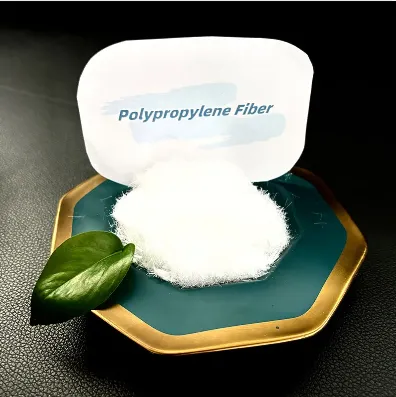
Fiber reinforced polypropylene (FRP) represents a groundbreaking advance in material science, unique -
 galvanized_wire_mesh_for_concrete
Oct . 25, 2025
In the ever-evolving construction sector, the choice of materials can significantly impact the quali - metal_fiber_concrete
Oct . 25, 2025
Understanding Cellulose in Wood Cellulose is a vital organic polymer that plays a crucial role in th


